

August 7, 2026
Helping Children Cope with the Loss of a Beloved Pet
For many children, a pet is more than an animal—they are a best friend, a playmate, a source of comfort, and a cherished member of the family. Saying goodbye to a beloved companion can be one of the first experiences a child has with death and grief. While this is an incredibly difficult time, it can also be an opportunity to teach children that grief is a natural part of loving someone deeply.
Every child grieves differently. Some may cry openly, while others may ask lots of questions, become quieter than usual, or even seem unaffected at first. There is no “right” way to grieve, and children often revisit their feelings as they grow and better understand what has happened.
Be Honest and Use Simple Language
Although it may feel kinder to soften the truth by saying a pet “went to sleep” or “went away,” these phrases can be confusing for children. Instead, use clear, age-appropriate language to explain that their pet has died and that their body has stopped working.
Being honest helps children build trust and prevents misunderstandings or unnecessary fears, such as being afraid to fall asleep themselves.
Let Them Express Their Feelings
Children need to know that every emotion is okay. They may feel:
- Sad
- Angry
- Confused
- Guilty
- Scared
- Relieved that their pet is no longer suffering
Avoid trying to “fix” their feelings or telling them to be brave. Instead, let them know that it’s okay to cry, talk, draw, or simply sit quietly. Sometimes the greatest comfort is knowing they don’t have to hide their emotions.
Include Children in Saying Goodbye
If appropriate for their age and comfort level, allow children to be part of the goodbye process. This might include:
- Writing a letter to their pet
- Drawing a picture
- Choosing a favourite photo for a memory frame
- Planting flowers or a tree in their pet’s memory
- Lighting a candle together
- Holding a small family memorial
These rituals help children understand that although their pet is gone, the love and memories remain.
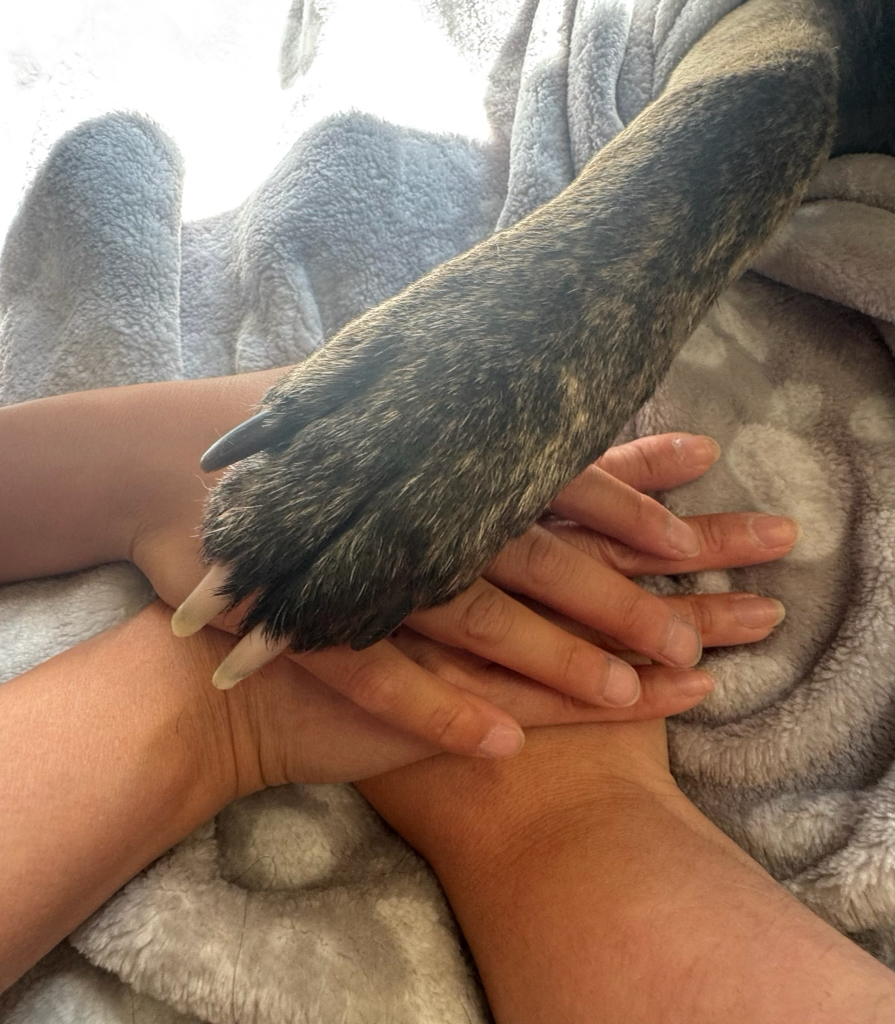
Keep Their Pet’s Memory Alive
Many children find comfort in remembering happy moments rather than focusing only on the loss.
Create a memory box with photographs, a collar, favourite toy, or paw print. Share funny stories at dinner, look through old pictures together, or make a scrapbook celebrating your pet’s life.
Remembering isn’t about “moving on”—it’s about carrying love forward.
Read Together
Books can be incredibly helpful for children because they give words to feelings they may not yet know how to express. Reading together also creates opportunities for gentle conversations about grief.
Some wonderful children’s books about pet loss include:
- The Tenth Good Thing About Barney by Judith Viorst
- The Goodbye Book by Todd Parr
- Dog Heaven by Cynthia Rylant
- Cat Heaven by Cynthia Rylant
- I’ll Always Love You by Hans Wilhelm
- The Invisible Leash by Patrice Karst
Many universities and grief organizations also provide excellent reading lists for children, teens, and adults coping with pet loss.
Remember That Grief Doesn’t Have a Timeline
Children often grieve in small bursts. They may seem perfectly happy one day and become tearful weeks later when they see a favourite toy or visit a familiar walking route.
Continue checking in with them, answer questions honestly, and reassure them that whatever they are feeling is normal. As children mature, they may revisit the loss with a new understanding and new questions.
When Your Child May Need Extra Support
Most children gradually adjust with the love and support of their family. However, if grief begins interfering with daily life for an extended period—such as persistent withdrawal, significant anxiety, changes in sleep or eating, or difficulty functioning at school—it may be helpful to seek support from a grief counsellor or mental health professional experienced in working with children.
There are also excellent organizations that offer resources specifically designed to help children understand grief in healthy, age-appropriate ways.
You Don’t Have to Have All the Answers
As parents and caregivers, we often worry about saying the “right” thing. The truth is, children don’t need perfect words—they need honesty, love, and reassurance that they are not grieving alone.
By allowing children to ask questions, express emotions, and remember their beloved companion, you’re helping them build healthy coping skills they’ll carry throughout their lives.
Helpful Resources
If you’re looking for additional support, these trusted resources offer excellent guidance for families:
- Kids Grief Website provides age-appropriate resources and activities to help children understand grief and loss.
- Pragmatic Mom has a thoughtfully curated list of children’s picture books that can help start meaningful conversations about losing a beloved pet.
- Purdue University offers recommended books for children, teens, and adults coping with pet loss.
At York Mobile Veterinary Services, we understand that saying goodbye to a beloved pet affects every member of the family—including the youngest ones. If your family is navigating anticipatory grief or coping with the loss of a cherished companion, we’re here to provide compassionate support every step of the way.